Stamped Concrete Sealing in Seattle, WA
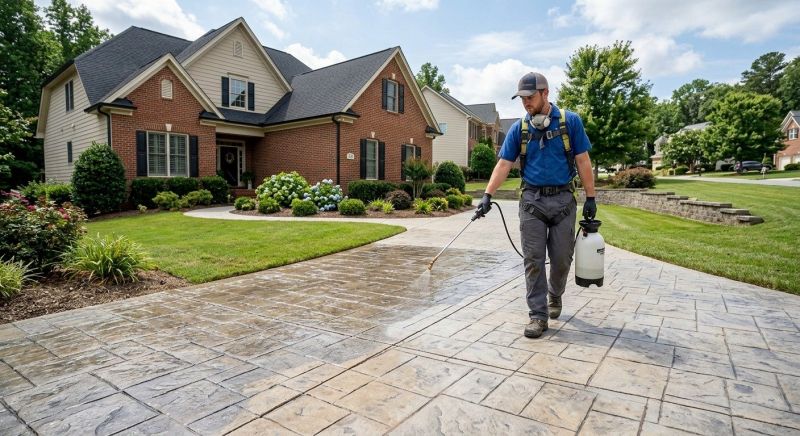
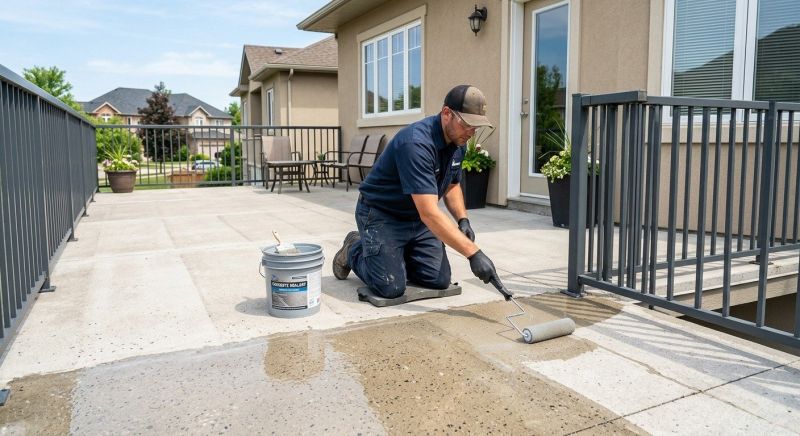
Stamped concrete sealing services involve applying a protective coating to stamped concrete surfaces to enhance durability and appearance. This service is commonly requested for patios, walkways, driveways, and decorative outdoor areas where stamped patterns and textures are used to mimic natural stone, brick, or other materials. Property owners typically seek sealing to preserve the vibrant colors, prevent surface damage from weather and foot traffic, and maintain the intricate stamped designs over time.
Before requesting stamped concrete sealing, homeowners should understand the current condition of their concrete surface, including any existing cracks, stains, or surface wear. Proper preparation, such as cleaning and repairing surface imperfections, is essential for optimal results. It's also helpful to consider the type of sealer used, as different finishes can provide varying levels of gloss, slip resistance, and protection. Clarifying these details can ensure the sealing process meets the aesthetic and functional goals of the property.
Many property owners in Seattle, WA look into Stamped Concrete Sealing for repairs, replacements, upgrades, and appearance-related improvements.
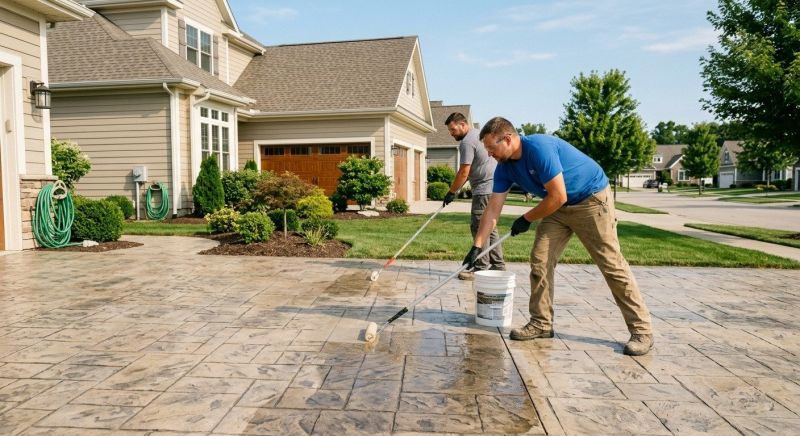
Enhanced Durability
Sealing stamped concrete helps protect surfaces from wear and weather damage in seattle's climate.
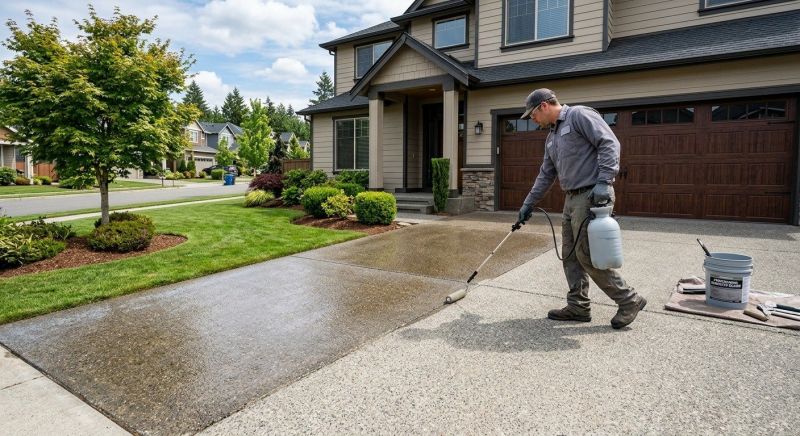
Aesthetic Preservation
Sealing maintains the vibrant colors and intricate patterns of stamped concrete for lasting curb appeal.
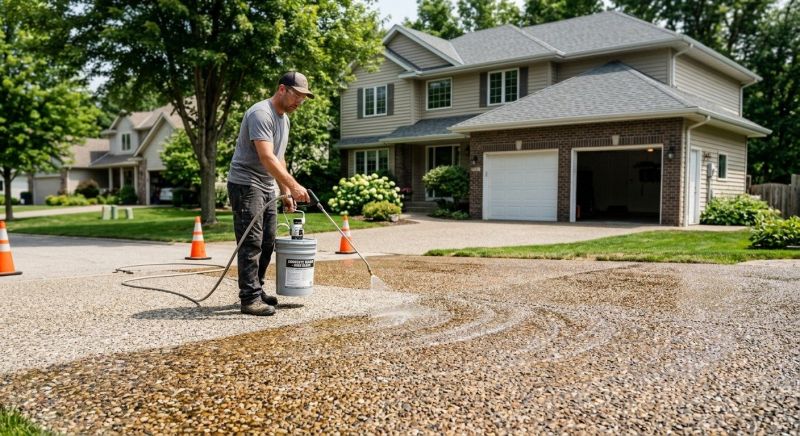
Ease Of Maintenance
Proper sealing simplifies cleaning and helps prevent staining on stamped concrete surfaces.
Stamped Concrete Sealing in Seattle, WA
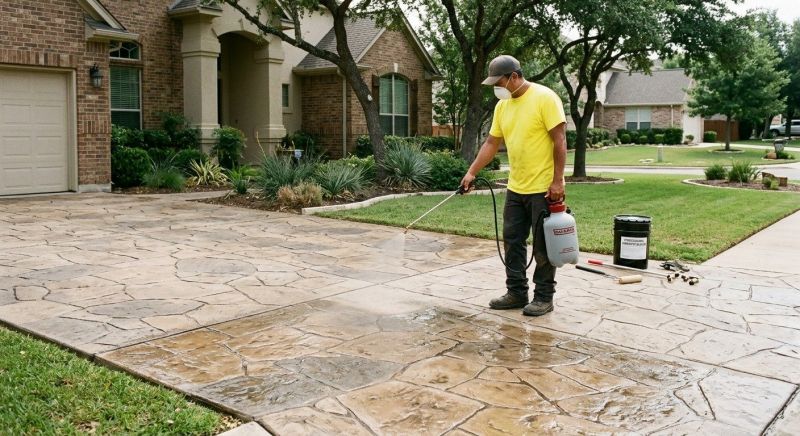
Stamped concrete sealing services involve applying a protective coating to stamped concrete surfaces to enhance durability and appearance. This service is commonly requested for patios, walkways, driveways, and decorative outdoor areas where stamped patterns and textures are used to mimic natural stone, brick, or other materials. Property owners typically seek sealing to preserve the vibrant colors, prevent surface damage from weather and foot traffic, and maintain the intricate stamped designs over time.
Before requesting stamped concrete sealing, homeowners should understand the current condition of their concrete surface, including any existing cracks, stains, or surface wear. Proper preparation, such as cleaning and repairing surface imperfections, is essential for optimal results. It's also helpful to consider the type of sealer used, as different finishes can provide varying levels of gloss, slip resistance, and protection. Clarifying these details can ensure the sealing process meets the aesthetic and functional goals of the property.
Many property owners in Seattle, WA look into Stamped Concrete Sealing for repairs, replacements, upgrades, and appearance-related improvements.
Common Stamped Concrete Sealing Jobs
Driveways - Sealing enhances durability and protects against weather-related damage.
Patios - Proper sealing preserves the appearance and extends the lifespan of stamped concrete surfaces.
Walkways - Sealing helps prevent staining and reduces surface wear over time.
Pool decks - Applying a sealant safeguards against water penetration and surface cracking.
Outdoor steps - Sealing maintains slip resistance and prevents surface deterioration.
Decorative surfaces - Sealing preserves vibrant colors and intricate patterns on stamped concrete features.
Stamped Concrete Sealing Questions
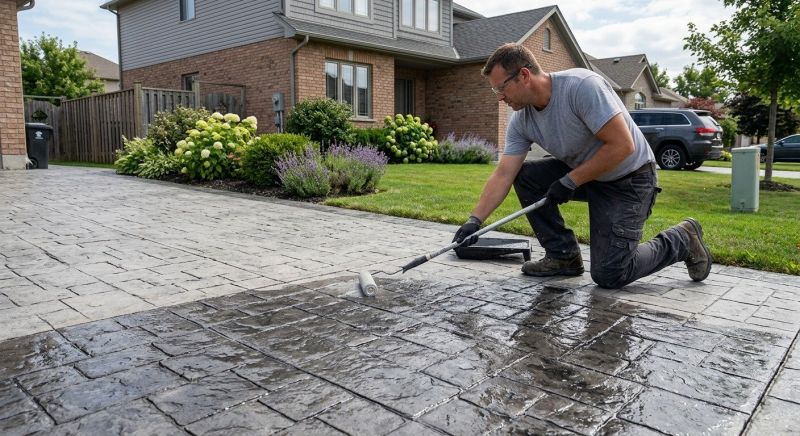
What is stamped concrete sealing? It is a protective coating applied to stamped concrete surfaces to enhance durability and appearance.
Which projects benefit from stamped concrete sealing? Driveways, patios, walkways, and pool decks are common projects that benefit from sealing.
How does sealing protect stamped concrete? Sealing helps prevent staining, surface damage, and wear caused by weather and foot traffic.
When should stamped concrete be sealed? Sealing is typically recommended every 2 to 3 years to maintain appearance and protection.
Request Stamped Concrete Sealing in Seattle, WA
Use the quote form on this page to share the basics of your project and request more information for the type of work you need.