Get Fence Sealing
Fence sealing services offered by local contractors protect against weather damage, prevent wood rot, and improve durability for various fencing types.
Fence sealing is an important step in maintaining the durability and appearance of outdoor structures. Property owners in the area often explore this service to protect their fences from weathering, prevent wood decay, and extend the lifespan of their investment. Whether planning a new fencing project or seeking to preserve an existing one, understanding the options available can help in making informed decisions. Keep reading to discover how local contractors can assist with professional fence sealing tailored to your property’s needs.
Choosing the right local service providers for fence sealing involves comparing experienced contractors who understand the specific demands of the local environment. Proper sealing can enhance curb appeal and reduce ongoing maintenance, making it a practical consideration for many property owners. Exploring your options now can help identify trusted professionals capable of delivering quality work that aligns with your property goals.
- Residential Fence Owners - when homeowners want to protect their yard and enhance privacy.
- Commercial Property Managers - for maintaining the appearance and durability of fencing around business premises.
- New Fence Installations - during the initial sealing process to ensure longevity from the start.
- Fence Repair Projects - when existing fences show signs of wear, weather damage, or aging.
- Post-Construction Fence Maintenance - after building projects to preserve fencing integrity and appearance.

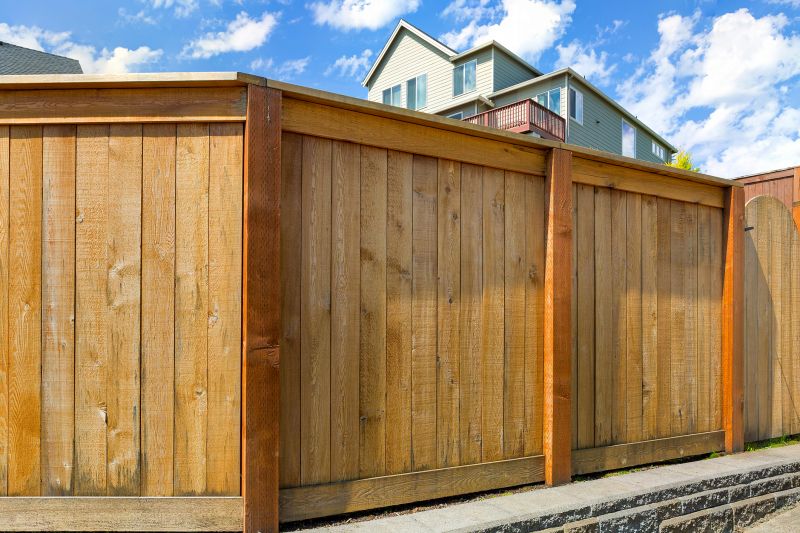
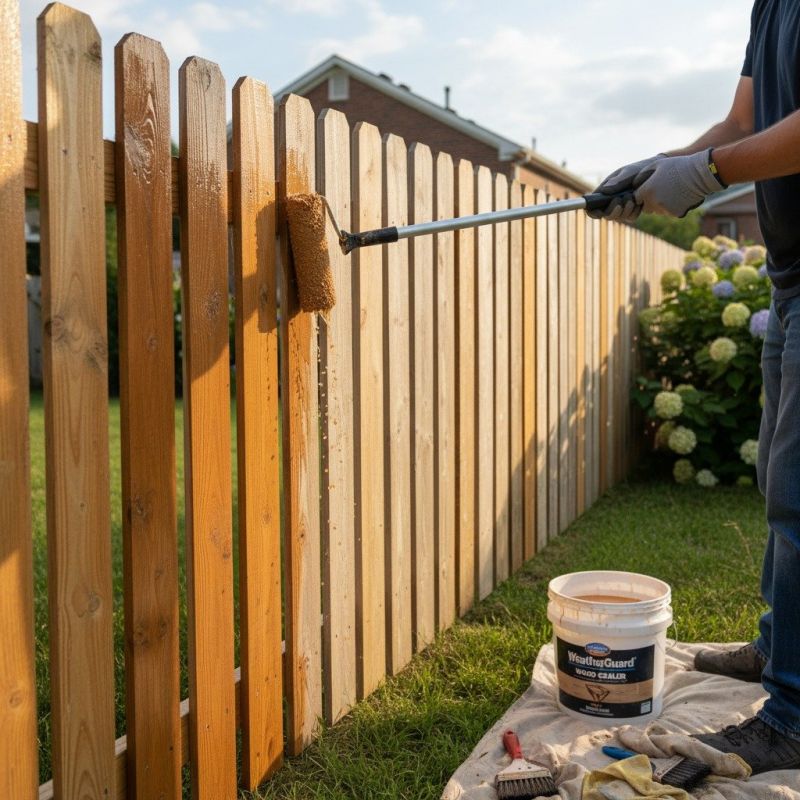
Fence sealing services involve applying a protective coating or sealant to the surface of a fence to help preserve its condition and appearance. This process typically includes cleaning the fence to remove dirt, mold, or old paint, followed by the careful application of a sealant designed to penetrate the material. The goal is to create a barrier that shields the fence from moisture, UV rays, and other environmental elements that can cause damage over time. Many service providers also offer advice on the best type of sealant for different fence materials, ensuring that the treatment is effective and long-lasting.
Sealing a fence can help address common problems such as rotting, warping, cracking, and fading. Wooden fences, in particular, are vulnerable to moisture absorption, which can lead to rot and decay if not properly protected. Metal fences may suffer from rust and corrosion, especially in humid or rainy climates. By applying a quality sealant, property owners can significantly extend the lifespan of their fences, reduce the need for repairs, and maintain a cleaner, more attractive appearance. Fence sealing also helps prevent the buildup of mold, algae, and other substances that can stain or weaken the fence material.
This service is often used on residential properties, including yards, gardens, and perimeter fences, but it is also common on commercial and industrial sites. Homeowners with wooden picket fences, privacy fences, or decorative wood panels frequently seek fence sealing to keep their fences looking good and functioning well. Similarly, businesses with chain-link or metal fences may opt for sealing to prevent rust and corrosion, especially in areas exposed to harsh weather conditions. Property managers and landscapers often recommend fence sealing as part of regular maintenance routines to protect investments and improve curb appeal.
Homeowners should consider fence sealing when they notice signs of weathering, such as fading color, surface splinters, or rust spots. It is also a beneficial step after installing a new fence or before winter and rainy seasons to provide an extra layer of protection. By working with local contractors experienced in fence sealing, property owners can ensure the job is done effectively and tailored to their specific fence material and environmental conditions. Proper sealing helps keep fences durable, attractive, and better able to withstand the challenges posed by outdoor elements.
The overview below groups typical Fence Sealing projects into broad ranges so you can see how smaller, mid-sized, and larger jobs often compare in your area.
In many markets, a large share of routine jobs stays in the lower and middle ranges, while only a smaller percentage of projects moves into the highest bands when the work is more complex or site conditions are harder than average.
Smaller Repairs - Typical costs for routine fence sealing projects range from $250 to $600, covering minor touch-ups or sealing small sections. Many homeowners find these jobs fall into this middle range, depending on fence size and condition.
Full Fence Sealing - Complete sealing of an entire fence usually costs between $600 and $1,200. Larger, more extensive projects tend to reach the higher end of this range, especially with additional prep work involved.
Multiple Fence Sections - Sealing several sections or panels can vary widely, often falling between $1,200 and $3,000 for most local contractors. Projects that include multiple yards or complex materials may push beyond this range.
Large or Complex Projects - Larger, more intricate fence sealing jobs, such as those involving specialty materials or extensive repair, can exceed $5,000. These are less common but represent the upper tier of typical project costs.
Actual totals will depend on details like access to the work area, the scope of the project, and the materials selected, so use these as general starting points rather than exact figures.
Deck Restoration Projects - professionals experienced in sealing and protecting wooden surfaces can apply similar techniques to enhance the durability of fences.
Wood Staining and Finishing - local contractors skilled in wood treatments can provide sealing services that improve the appearance and longevity of outdoor structures.
Garden and Landscape Edging - service providers who install and seal landscape borders use comparable planning and surface preparation skills as fence sealing.
Outdoor Furniture Refinishing - experts in sealing and protecting wooden outdoor furniture utilize similar surface preparation and finishing methods.
Concrete Surface Sealing - contractors who apply sealants to patios and walkways share techniques used in fence sealing for protecting surfaces from the elements.
Retaining Wall Waterproofing - specialists involved in sealing retaining walls employ planning and application skills akin to those used in fence sealing projects.
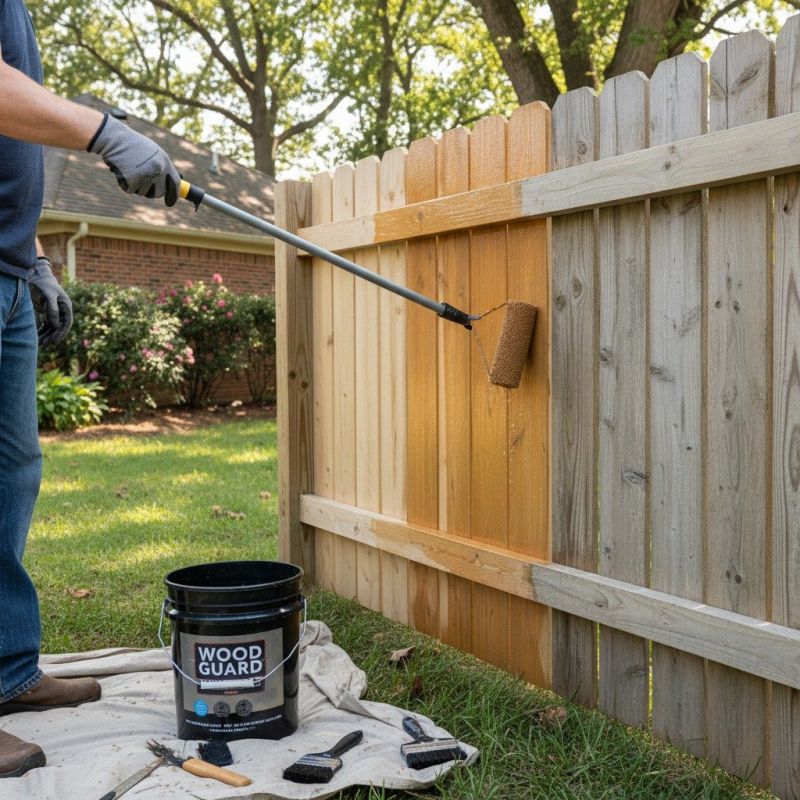
When selecting a contractor for fence sealing, it’s important to consider their experience with similar projects. Homeowners should look for service providers who have a track record of working on fences comparable in material, size, and style. An experienced local contractor will be familiar with common issues that arise during sealing and know how to address them effectively, helping to ensure the job is completed properly and efficiently. Gathering information about their past work can provide insight into their expertise and confidence in handling projects like yours.
Clear, written expectations are essential for a successful fence sealing project. Homeowners should seek out service providers who are willing to provide detailed descriptions of the scope of work, the materials used, and the steps involved. Having this information in writing helps prevent misunderstandings and ensures everyone is on the same page about what will be done. It also allows homeowners to compare proposals more easily and make informed decisions based on the specifics of each contractor’s approach.
Reputable references and good communication are key indicators of a dependable local contractor. Homeowners can ask for references from previous clients to learn about their experiences and satisfaction with the work performed. Additionally, service providers who communicate clearly and promptly can make the process smoother and more transparent. Good communication includes answering questions thoroughly, providing updates, and being accessible for any concerns that may arise during the project. These qualities help homeowners feel confident in their choice of contractor and foster a positive working relationship.
Property owners use Fence Sealing services for practical projects around their homes and businesses. This guide focuses on everyday jobs and straightforward project options.
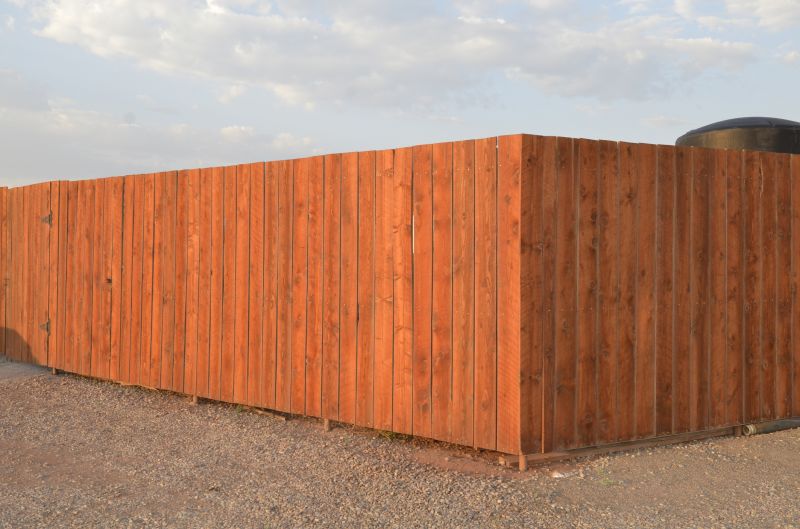
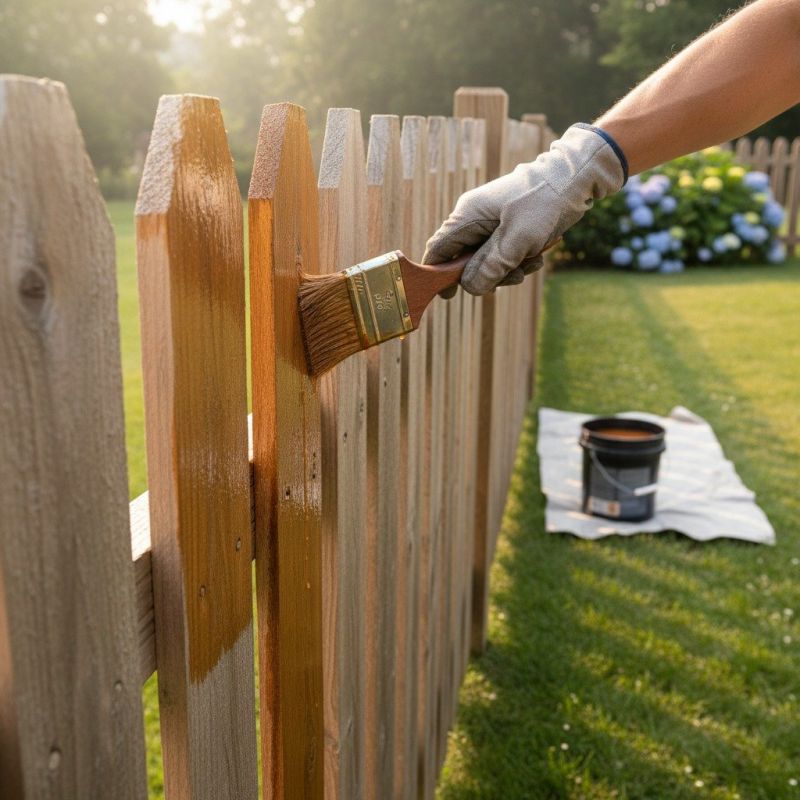
Fence sealing is a common project for property owners looking to protect their outdoor spaces. Whether it's to prevent weather-related damage, extend the lifespan of a fence, or improve its appearance, local contractors can provide the necessary sealing services. Homeowners often seek these services after noticing signs of wear, such as fading, cracking, or warping, or simply as part of routine upkeep to maintain curb appeal and property value.
Many property owners turn to local service providers for fence sealing when preparing for seasonal changes or after storm events. Sealing helps guard against moisture, rot, and pests, which can compromise the integrity of wooden fences. Whether installing a new coat of sealant or refreshing an existing one, local pros can assist with the job to help keep fences looking and functioning their best over time.
Why should I seal my fence? Sealing a fence helps protect it from moisture, UV damage, and pests, which can extend its lifespan and maintain its appearance.
What types of fences can benefit from sealing? Most fence materials, including wood, vinyl, and composite, can benefit from sealing to enhance durability and appearance.
How often should I have my fence sealed? The frequency of sealing depends on the material and local weather conditions, but typically every 1-3 years is recommended.
What should I look for in local fence sealing contractors? It's important to find experienced contractors who use quality sealants and have good reviews from previous customers.
Can sealing be done on a damaged fence? Sealing is most effective on fences in good condition; damaged fences may require repairs before sealing to ensure proper protection.
Protect Wooden Fences - Applying sealant helps prevent wood from warping, cracking, or rotting due to exposure to moisture and weather conditions.
Enhance Vinyl Fence Durability - Sealing vinyl fences can reduce dirt buildup and maintain their appearance over time.
Preserve Privacy Fence Integrity - Regular sealing can help maintain the strength and appearance of privacy fences in high-traffic or exposed areas.
Prepare for Seasonal Changes - Sealing fences before winter or rainy seasons can help protect them from moisture damage and extend their lifespan.
If you are thinking about Fence Sealing for a property, this guide is meant to help you understand the work, the typical project types, and how different options might fit your plans.
When you are ready, you can use the quote form on this page to share a few details about your project. From there, local pros can review the basics and respond with options that match what you have in mind.